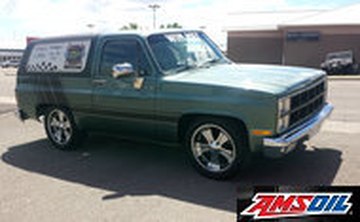
Maintaining Lubrication Integrity for the 1981 Gmc Trucks JIMMY 5.0L
Proper engine care for a vehicle like the 1981 Gmc Trucks JIMMY 5.0L involves more than just periodic fluid changes; it requires a proactive approach to monitoring the mechanical health of the engine and its supporting systems. As vehicles age, the way they respond to maintenance can shift, making consistent observation and high-quality lubricant selection essential for continued operation.
Monitoring Fluid Condition and Potential Seepage
One of the most effective ways to monitor the health of a 5.0L engine is through regular visual inspections of the engine bay and undercarriage. Rather than waiting for a significant leak to occur, owners should look for signs of seepage around various gaskets and seals. Over time, heat cycles and age can affect the integrity of these components.
When performing an inspection, pay close attention to:
- Sealing Surfaces: Look for any dampness or dark staining around the engine block or where different components meet.
- Accumulated Residue: Dust and dirt often cling to areas where minor oil seepage has occurred, creating a visible buildup that can indicate a slow leak.
- Fluid Appearance: If you are checking the oil level via a dipstick, note the color and consistency of the fluid. While some discoloration is expected as oil ages, extremely dark or gritty textures may warrant further investigation into the engine's internal cleanliness.
It is important to remember that visible signs like a small amount of seepage do not always indicate an immediate failure, but they serve as vital data points for prioritizing future repairs and understanding the current state of the vehicle.
Observing Operational Changes and Warning Signs
Beyond visual inspections, how the engine behaves during operation provides critical feedback. Any sudden change in the way the 1981 Gmc Trucks JIMMY 5.0L runs should be investigated promptly. Because symptoms can often stem from multiple different causes, a single observation should be treated as a prompt for a more thorough diagnostic check rather than a definitive diagnosis.
Potential indicators that require attention include:
- Changes in Lubricant Consumption: If you find yourself needing to add oil more frequently than previously recorded, this change in consumption pattern warrants an inspection of the engine's seals and internal components.
- Unusual Noises: Any new mechanical sounds—such as tapping, knocking, or rhythmic clicking—can be associated with various lubrication or mechanical issues.
- Exhaust Observations: Changes in the color or consistency of exhaust smoke can sometimes be linked to how the engine is managing its lubricants.
- Warning Indicators: If any dashboard indicators related to engine health or fluid levels illuminate, these should be addressed immediately to prevent potential damage.
By staying attuned to these subtle shifts, an owner can often address minor issues before they escalate into more significant mechanical concerns.
Prioritizing Maintenance Through Record Keeping
For long-term ownership of a 1981 Gmc Trucks JIMMY 5.0L, establishing a maintenance baseline is one of the most practical steps an owner can take. If you have recently acquired the vehicle and do not have access to its previous service history, your first priority should be to document its current condition through a comprehensive inspection.
Maintaining a detailed log of all completed services—including oil changes, filter replacements, and any repairs performed—allows you to identify patterns. For example, if you notice that certain components are being replaced more frequently than expected, your records will help you determine if there is an underlying issue or if the component is simply reaching the end of its service life due to age. This data-driven approach helps distinguish between necessary preventive maintenance and unnecessary parts replacement, ensuring that resources are directed toward the most impactful service tasks.
Managing Aging Engine Components
As a vehicle reaches several decades of age, certain materials naturally undergo changes. When managing an older 5.0L engine, it is more effective to base your maintenance priorities on the actual condition of the parts rather than strictly on their age. A well-maintained component may still be in excellent condition, while a neglected one might require attention regardless of its manufacture date.
When inspecting aging components, consider the following:
- Rubber and Plastic Parts: If equipped, inspect accessible hoses and belts for signs of cracking, glazing, or fraying. These materials can become brittle over time due to heat exposure.
- Electrical Integrity: Check wiring harnesses and electrical connectors for signs of corrosion or insulation breakdown, which can affect engine performance and sensor accuracy.
- Cooling System Condition: Inspect the cooling system for any evidence of leaks or buildup that could impact the engine's ability to manage thermal loads effectively.
By focusing on condition-based maintenance, you can address active concerns—such as a weeping seal or a fraying belt—while avoiding the cost of replacing parts that are still performing reliably.
Selecting Lubricants for Engine Longevity
The choice of engine oil plays a significant role in how an engine manages friction and heat. While modern lubrication technology offers various options, including conventional oils, synthetic blends, and full synthetic formulations, the most important factor is ensuring the lubricant matches the specific requirements of the application.
Some high-mileage oil formulations contain additives intended for use in aging engines, such as seal-conditioning agents that may help maintain the flexibility of certain gaskets. However, the decision to use a specialized formulation should be based on the current state of the engine and the specific guidance provided for the vehicle. Regardless of the type of oil chosen, ensuring it meets the appropriate API certification is vital for providing the necessary level of protection against oxidation and deposit formation.
Practical Advice for Buying Engine Oil for your 1981 Gmc Trucks JIMMY 5.0L
When you are ready to purchase new lubricant, do not rely on general automotive knowledge or assumptions based on the vehicle's age to determine the correct grade. Instead, match the engine oil to the application-specific viscosity information already displayed on this page. This ensures that the fluid you select is appropriate for the internal clearances and operating requirements of your specific 5.0L engine.
Before completing your purchase, always check the product labeling to verify that the oil meets the necessary quality standards and matches the viscosity listed in the application information above. Whether you choose a conventional, synthetic blend, or high-mileage formulation, the priority must remain on adhering to the specific technical details provided for this 1981 Gmc Trucks JIMMY 5.0L.